Ordinary becomes Extraordinary

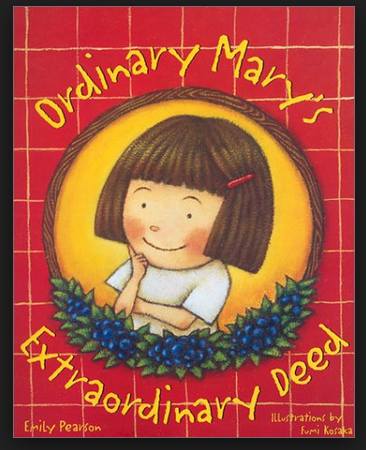
A lovely colleague, who also happens to teach my 7 year old, read a book to her class the other day, thrust it into my hands, and urged me to share it. Thank you Shauna. The book is called Ordinary Mary’s Extraordinary Deed and was written by Emily Pearson, and illustrated by Fumi Kosaka.
Screen Shot 2014-09-11 at 9.06.47 AM

This is not a new book, it was published in 2002, nor is its theme a new one. The concept of paying it forward gained exposure in recent times with the Kevin Spacey/Helen Hunt film Pay it Forward in 2000 (is it just me or are you shocked that ‘recent’ movie is now almost 15 years old?) and the idea of doing good deeds for others, in particular those you don’t know, has been around a lot longer.

“In the order of nature we cannot render benefits to those from whom we receive them, or only seldom. But the benefit we receive must be rendered again, line for line, deed for deed, cent for cent, to somebody.” Ralph Waldo Emerson-1841

In 1916, Lily Hardy Hammond wrote, “You don’t pay love back; you pay it forward.”

However, for the students I’ve read the book to this week, the idea was new, and wow, did they embrace it! Ordinary Mary sets off a chain reaction through a random act of kindness that changes the lives of millions in this story. My students were fascinated by this idea, we sat and talked for a long time about people having choices about how they act, and that peoples actions can really have an effect on others. Hearing kids discuss the phrases ‘ripple effect’ ‘pay it forward’ ‘random act of kindness’ and the conversation that followed was rich…and often humorous!

“That happened to me once when I was in a bad mood, and then my friend let me have one of his Pokemon cards, and I was happy and so I was nicer to my little sister.”

“Once when my Mum told me off I was sad but then my Dad was really nice to me and I felt better and I went back and talked to my Mum and then she was happy again, so then at dinner she was really happy and the next day Mum was friendly to her sister and her sister was in a good mood because sometimes my Mum is really mean to her but not this day so maybe she was nice to five people then.”

I’d encourage anyone who wants stimulating conversation to share the book with others, I promise it won’t be dull. I wonder what ordinary deed YOU do, and what extraordinary effect it will have on others…
The Pet Project

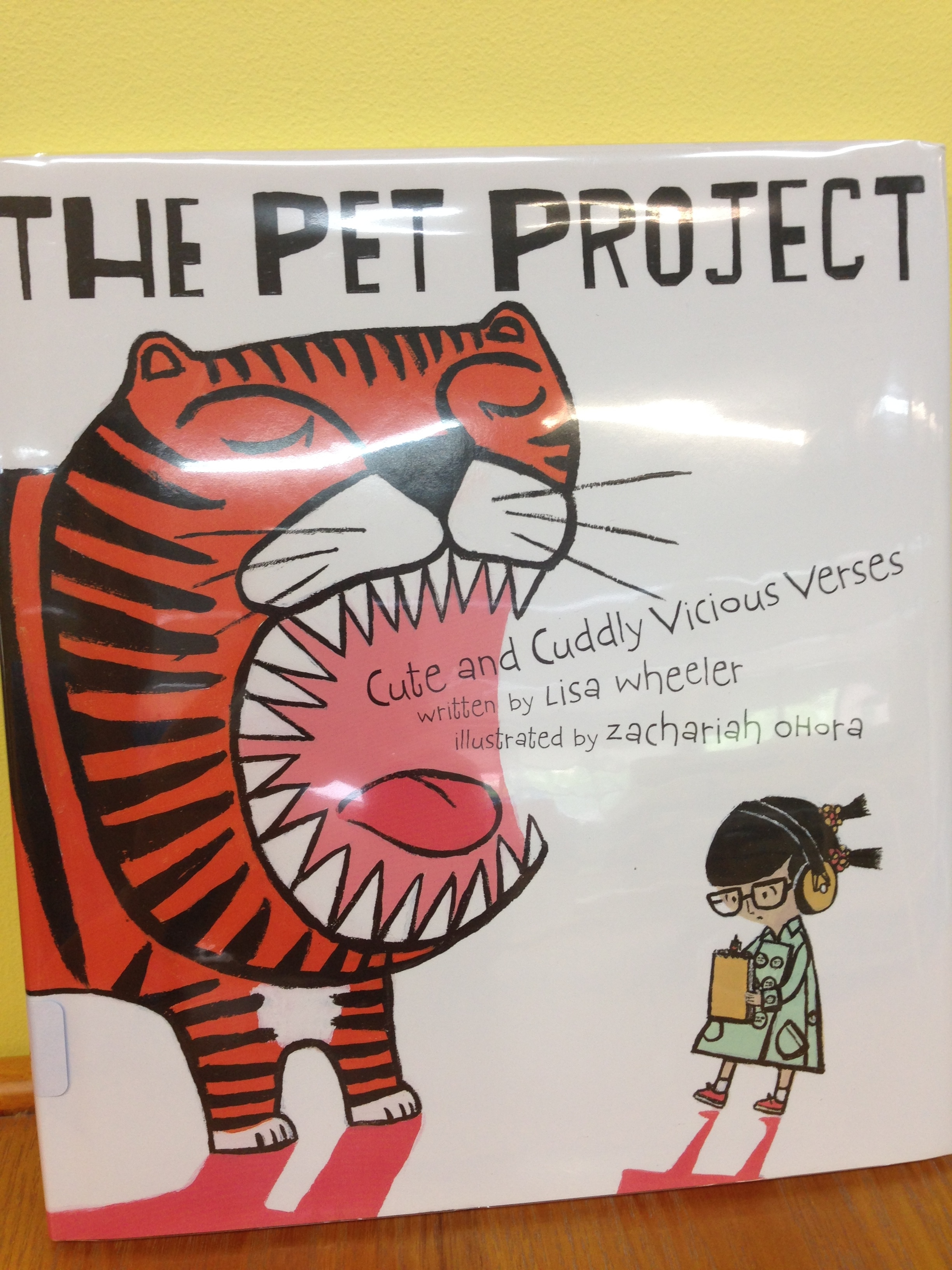
The Pet Project-Cute and Cuddly Vicious Verses by Lisa Wheeler (2013)

IMG_9499

I enjoyed The Pet Project because I like rhyming verse, I also appreciate the many ways I could use it in a classroom, whether it be through science; looking at inquiry, or in language arts; exploring persuasive writing or poetry. I enjoyed these first-person poems and appreciate that kids will really get the jokes and parents will appreciate the book as it fosters an interest in science.  Lisa’s blog is also a great resource for the many books she has written, with many reviews, guides and classroom activities. http://www.lisawheelerbooks.com/home.html

The Boy and The Airplane

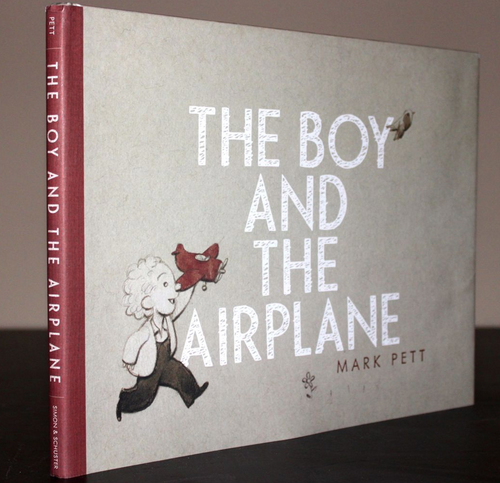
The Boy and The Airplane by Mark Pett (2013)

Screen Shot 2014-09-03 at 9.41.24 AM

It is hard to know where to put our SAS stamp on this wonderful new picture book, as it is so aesthetically lovely; another example of a wordless picture book with limited, subtle coloring. Pett’s story is a mentor text for teachers and parents who want their child to understand the concept of patience and perseverance. http://www.markpett.com/authorstrator/

I enjoyed reading Mark Pett’s blog as he shares the history of how he began to draw his cartoons wordlessly, and how that lead him to writing a wordless picture book. But even more than Mark’s blog, I enjoyed the sophisticated and detailed review given by Laura Hudock, as she writes about an amazing lesson she had with a first grade class, when using The Boy and The Airplane as a read-aloud. Laura was obviously blown away by the post read-aloud discussions of her students and commented “The complexities of student’s visual meaning-making are evident in these responses that range from subversiveness, empathy, and inferences to personal and text-to-text connections” It’s pretty amazing how much learning happens when you start with a great text.

Waterloo and Trafalgar

Waterloo and Trafalgar by Olivier Tallec (2012)

IMG_9498

Olivier Tallec’s cover is so artistically pleasing, I had to open it up and explore further. The book in hues of orange and blue comprises two characters, Waterloo, and Trafalgar and cleverly explores the futility of war; in a way any child can understand, possibly even better than many adults can. It’s also a wordless book, so popular these last two years, and beautifully done.  Olivier’s blog is exsquisite http://www.oliviertallec.fr/

The Hole

The Hole by Oyvind Torseter (2013)

IMG_9494

One of many of the books ordered that has a simplistic, pointed use of very few colors. I can see The Hole being used in Art Class to explore the concept of line, or color and the actual hole all through the book will keep students of all ages captivated. This book is a real page-turner, turning pages in both directions, similar in that respect to the delightful Caldecott Winner of 2013 by Laura Vaccaro Seeger, Green. http://www.enchantedlionbooks.com/node/200

I Know Here

I Know Here by Laurel Croza (2010)

IMG_9493

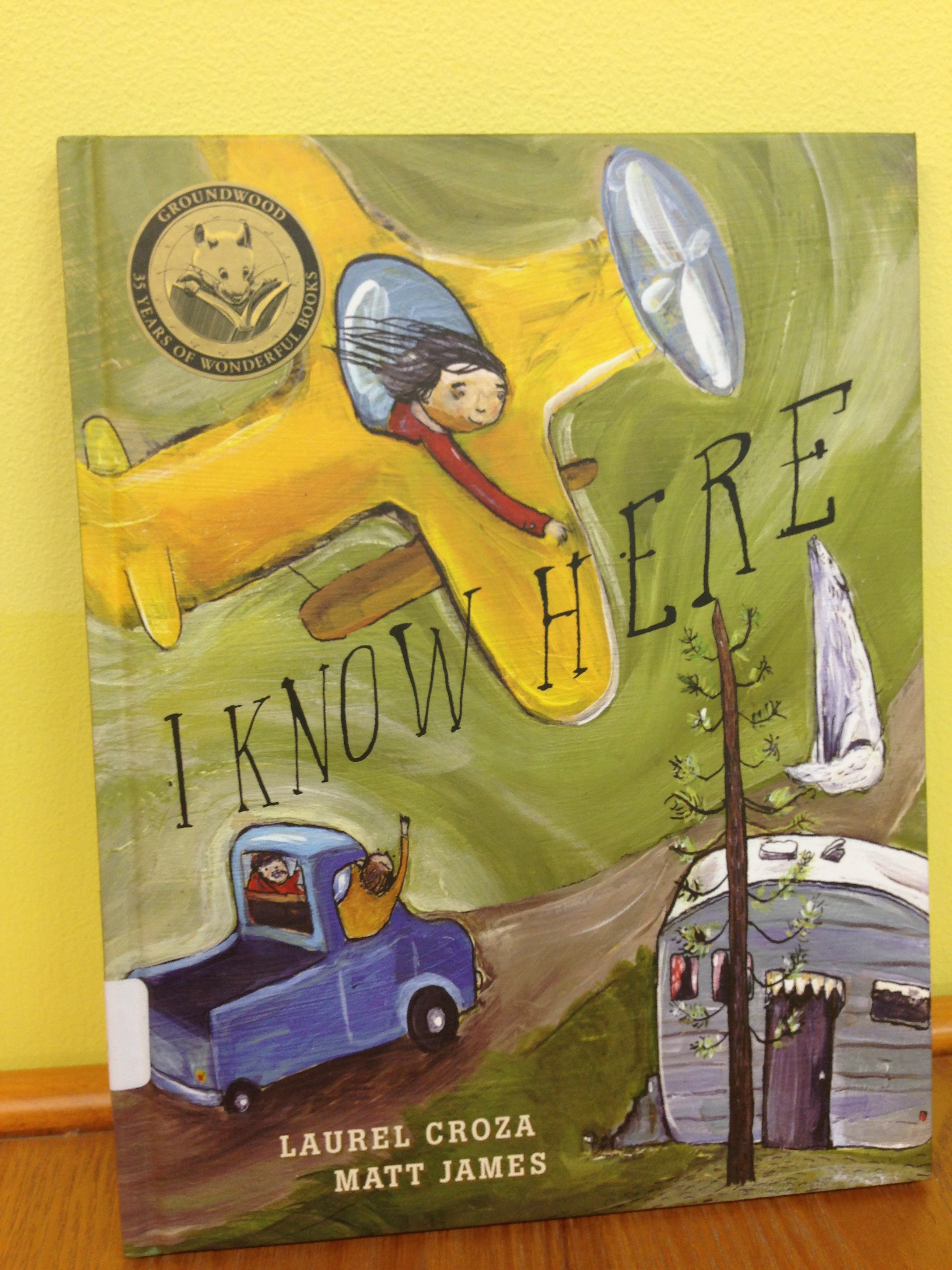
Certainly one of my favorites as a writing teacher, this is a beautiful companion book to Patricia Mc Lachlan’s What you know First or Rylant’s When I was Young in the Mountains when studying memoir with older students or as a delightful read-a-loud for any age group. It’s also perfect for dealing with transitions; something our international students are no strangers to. Now I just need to buy From There to Here, which came out in 2014 http://laurelcroza.com/

!

! by Amy Krouse Rosenthal & Tom Lichtenheld (2013)

IMG_9487

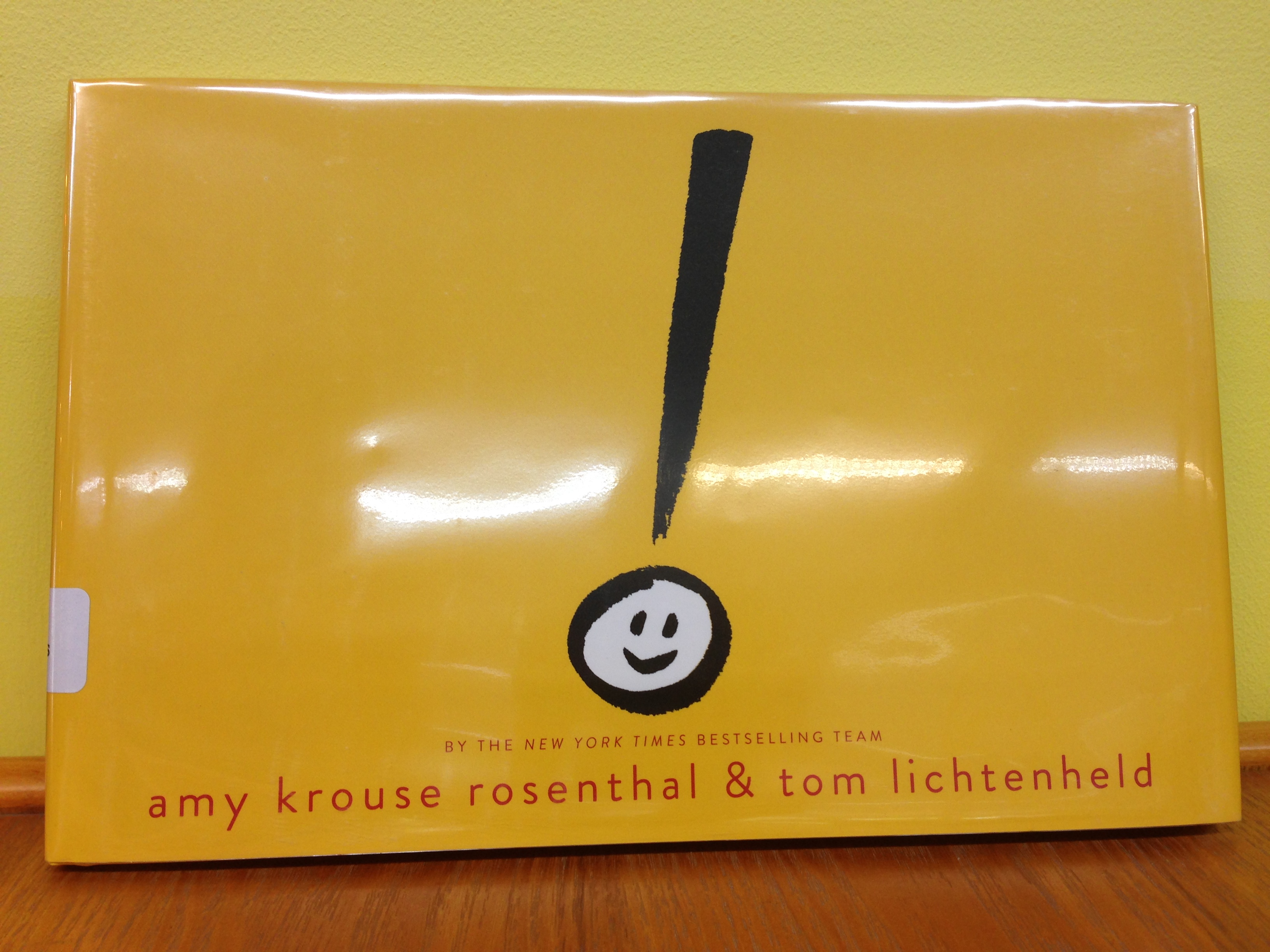
This book is such a fun way to share punctuation with children. Exclamation mark is confused, deflated and flummoxed because he is not like everyone else. It’s a great day for him when he meets another special punctuation mark…can you guess who? http://www.whoisamy.com/

The Invisible Boy

The Invisible Boy by Trudy Barton (2013)

IMG_9832

Complete with questions for discussion, a recommended reading list for adults and a recommended reading list for kids, this is one of several new books that will be used by counselors and classroom teachers this year. Cleverly illustrated by Patrice Barton who uses the lack of color to depict the isolation of the main character, this story shares the heartbreaking journey of a student we all know, the invisible boy. http://www.randomhouse.ca/books/212027/the-invisible-boy-by-trudy-ludwig-illustrated-by-patrice-barton