Surfcoast Writers Festival

You know I love a festival! And free bookmarks!
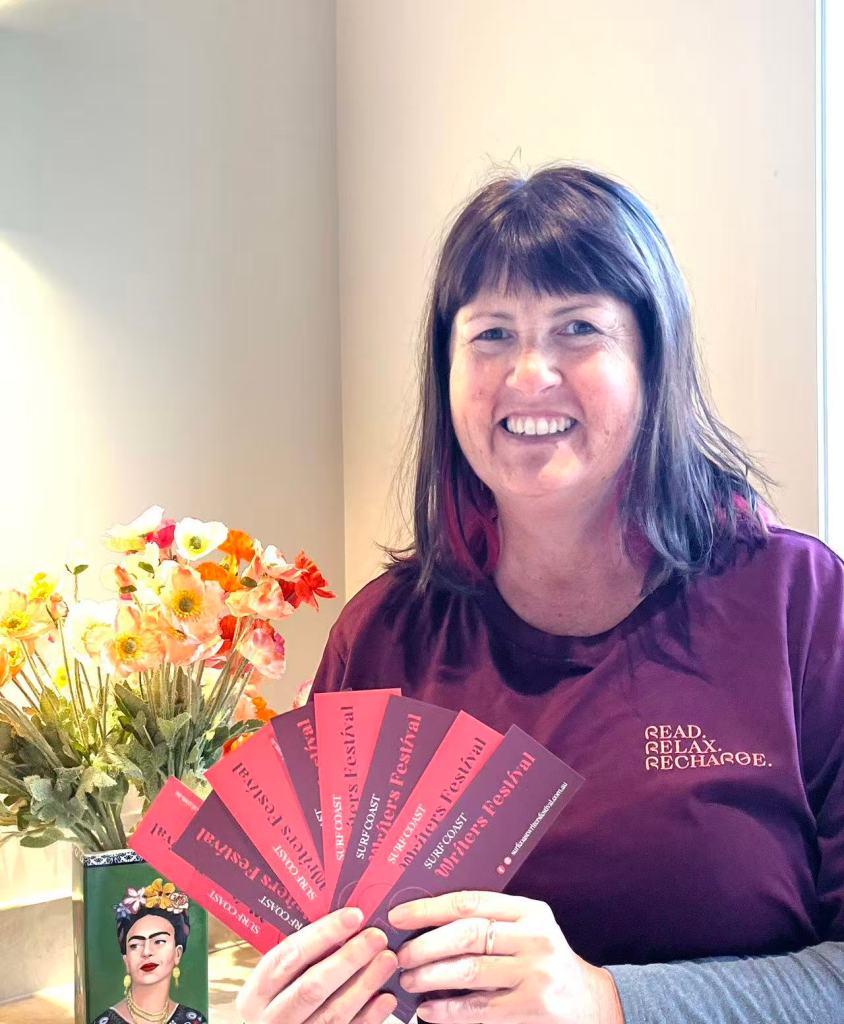

At the end of July, I’ll attend the Apollo Bay Wordfest for the 3rd year, really looking forward to that. Last month, I was able to attend a brand new festival that I really hope continues as it is even closer to home, IN Torquay!

Simon (DBM Signs and husband extraordinaire) was one of the sponsors for the Festival so I was lucky that they allowed me to come along and see all the presentations and panels for FREE! That was a wonderful bonus for me; as always, I wished I could be in more than one session at once; you can’t win them all, BUT, I got something out of every session I went to, and Simon went to a couple that I got to learn about vicariously through him; he even bought me some books that I’ve since devoured.

Thanks to the wonders of Borrow Box through the Geelong Regional Library, I’ve also been able to listen to several more books, and read a couple of ebooks we didn’t buy. What a great time of year to snuggle on the couch in the sun and read; yes it is my Summer holiday, but as I’m spending it in the depths of a Victorian Winter, it’s the perfect time to catch up on the TBR pile!

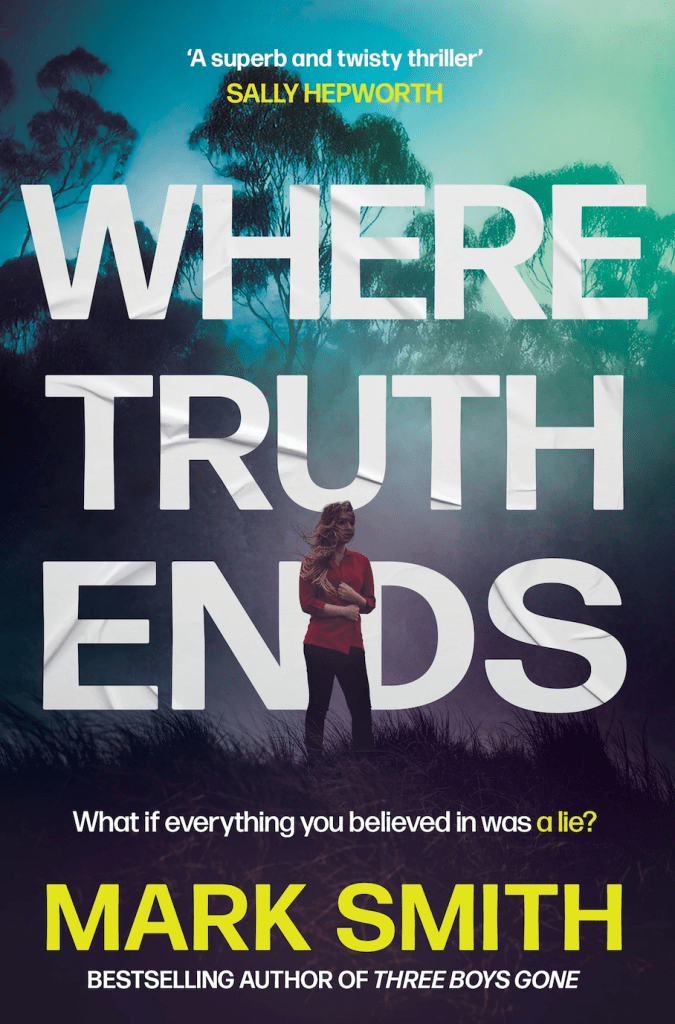
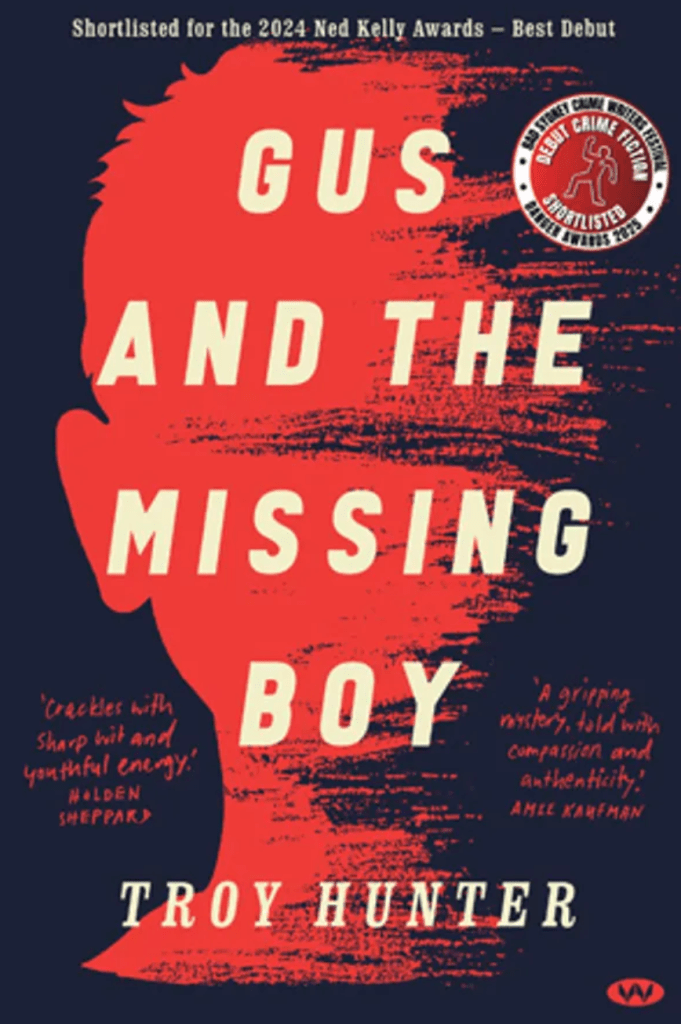
Since the festival, I’ve finished reading and listening to books by authors I knew of previously, like Mark Smith and JP Pomare and authors I was introduced to at the festival; like Troy Hunter and Sarah Bailey. The festival had a great variety of presenters and I learned something, and was entertained, at each of the SEVEN sessions I attended.

During the sessions, I pondered “Where is the Home of my Heart” while listening to Alli Sinclair. I was reminded why YA Lit is such a niche market, (not genre) as I listened to Miranda Luby, Troy Hunter and Karen Comer discuss their work and why they do what they do; Karen Comer loves the “intensity of feelings for that age group; ain’t that the truth says this mother of two daughters. I was compelled to google “existential grief” after Miranda Luby mentioned it 4 times. Other post panel googling involved refreshers on topics as varied as Carl Jung and Myers Briggs as well as learning about “The Future Project” out of Norway for the first time.

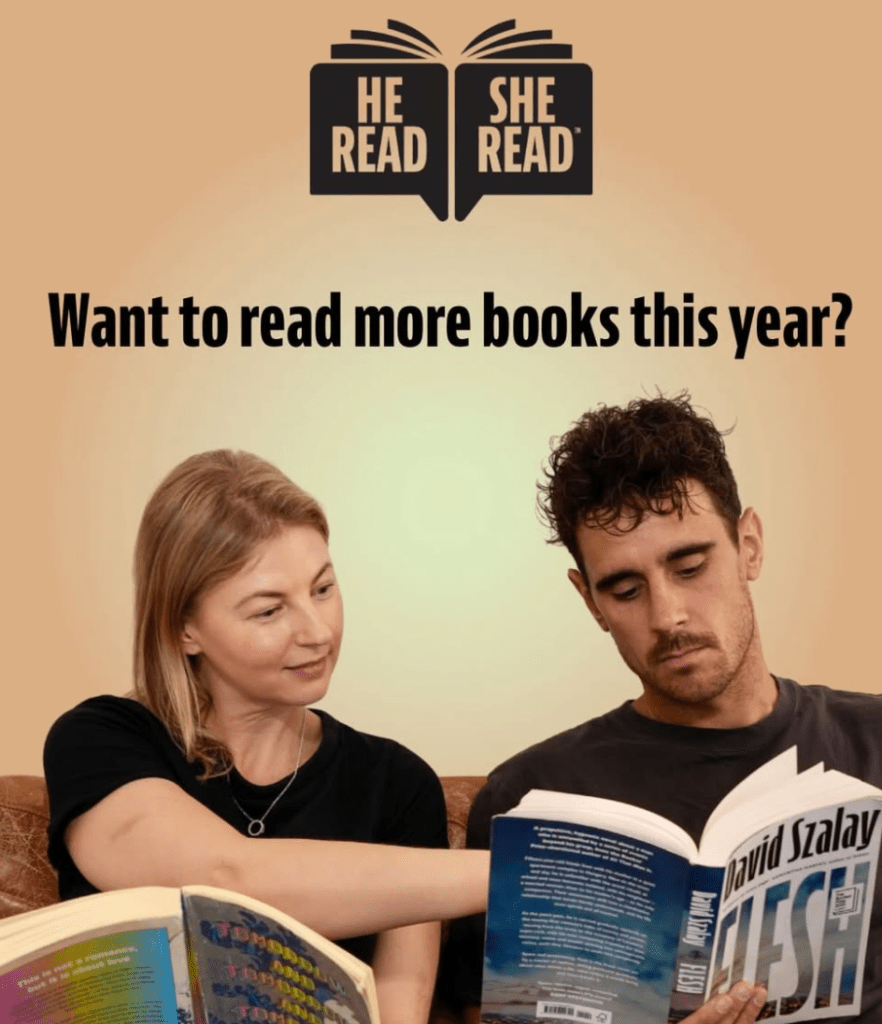
I’m was introduced to a new podcast and am now listening to “He Read She Read” with JP Pomare and Sarah Bailey thanks to attending their live podcast.

I’ve read my first romcom in years due to my husband loving up Steph Vizard’s session, it was sweet of him to buy The Love Contract for me, AND we even watched a romcom that night that Steph had recommended “Voicemails for Isabelle”. Move over British Crime Dramas…RomCom is angling for your top spot!

I was reacquainted with the work of Mark Smith who I’d met at last year’s Apollo Bay Wordfest; Mark wants to “demystify the experience of being in wild places” and I loved the discussion of that concept with his panel mates Tanya Scott and Luke Johnson. As far as advice for emerging writers, Mark commented that “the cleaner you can make the manuscript, the more likely it is to stand up.” Spoken like a true (former) teacher. That panel was really well facilitated by Andie Hamblin who asked the panel “How consciously do you build setting rather than have it just serve as a backdrop?” in regard to world building.

I really appreciated how many volunteers there were to help, and what a great venue it was and can’t wait for this to be part of my regular Winter schedule. Well done Team Surcoast Writers Fest!
Nothing Rhymes with Genre

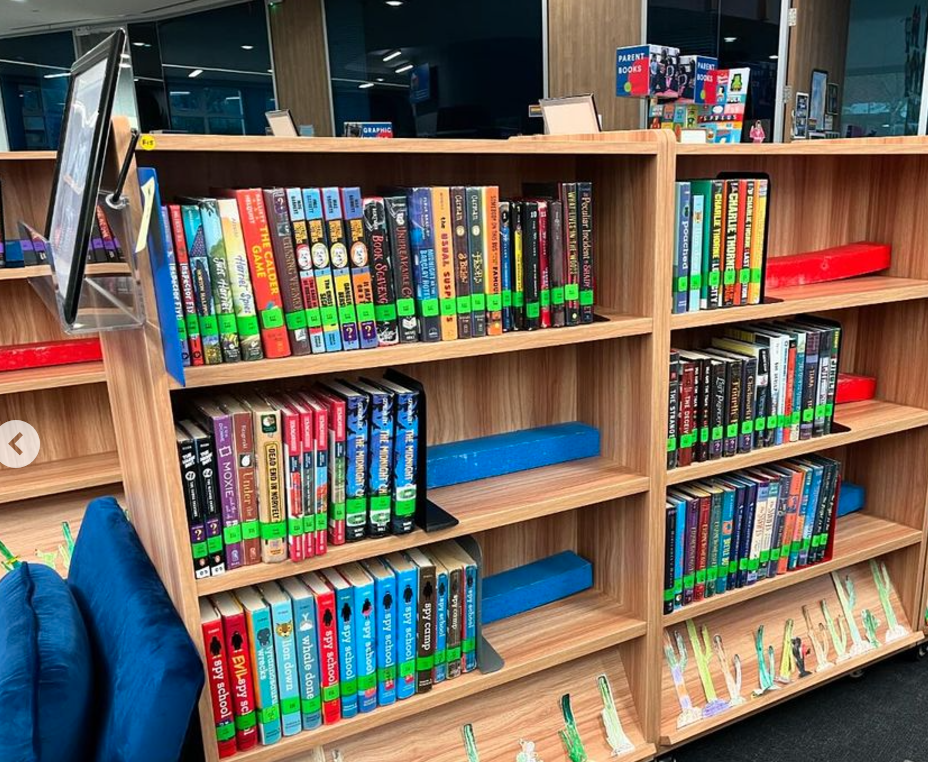
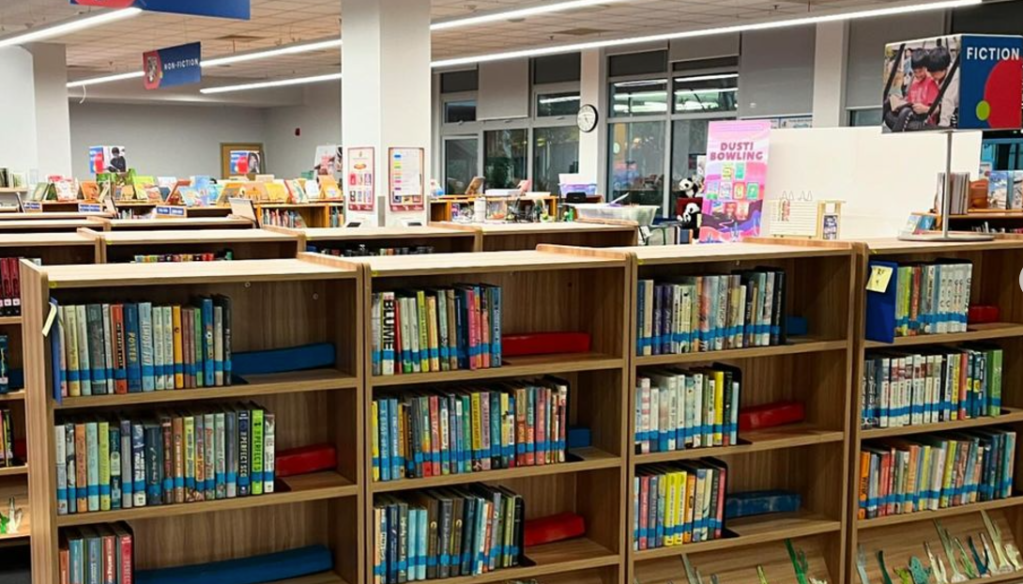
It finally happened. We genrefied the fiction section of our Elementary Library.

Our Fiction section caters for strong readers, mainly 4th and 5th grade students, who are ready to move on from the chapter books they’ve been reading in our Young Reader section where they’ve climbed up the reading ladder between Picture Books and Novels.

As I spent more time curating the collection, weeding and considering, here are some things I learned about the library collection I’ve helped build for 12 years:

  • Our Fiction section is pretty mature, not only are lots of our books hundreds of pages long, but their content also had a lot of books that we also have in our Secondary Library. I know there’s always overlap, but it’s made me think about my bias. I started out as a High School English teacher, then Middle School English, then I taught 5th grade for 7 years before becoming a qualified teacher librarian in 2012. Perhaps I’ve overestimated the maturity of our young people? It’s something I’ll continue to review.
  • In my desire to build a truly diverse collection, one that represents the lives of our students, one that continues to move the collection forward from being written by predominantly white American males, I seem to have perhaps over-compensated and now have MANY female authors. I haven’t inventoried based on gender, but I am cognisant that in the last couple of years, the majority of new books I’ve purchased for this age group were written by females. Perhaps because they’re amazing? Perhaps because I’m female? No matter the reason, it’s something I’m more aware of after the genrification process.
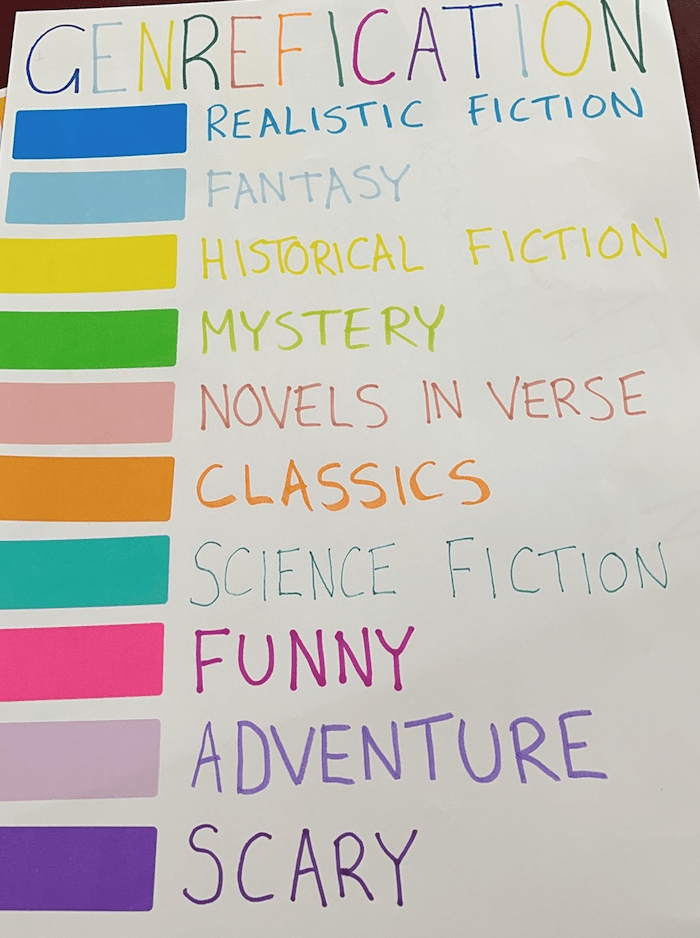
  • We have WAY more fantasy books than I’d realised. I would have thought the collection was 1st-realistic fiction, 2nd-historical fiction (again, is that because these are my two favourite genres, the ones I know best?) However, in order of size, it went fantasy, then realistic fiction, then funny, with historical fiction and science fiction having similar amounts next.
  • Adventure is hard. It just seemed there were so many better options to put ‘adventure’ stories in; mystery adventures, fantasy adventures, realistic adventures. It’s like I could go through the whole collection again now that I’ve genrefied, and genrify again!
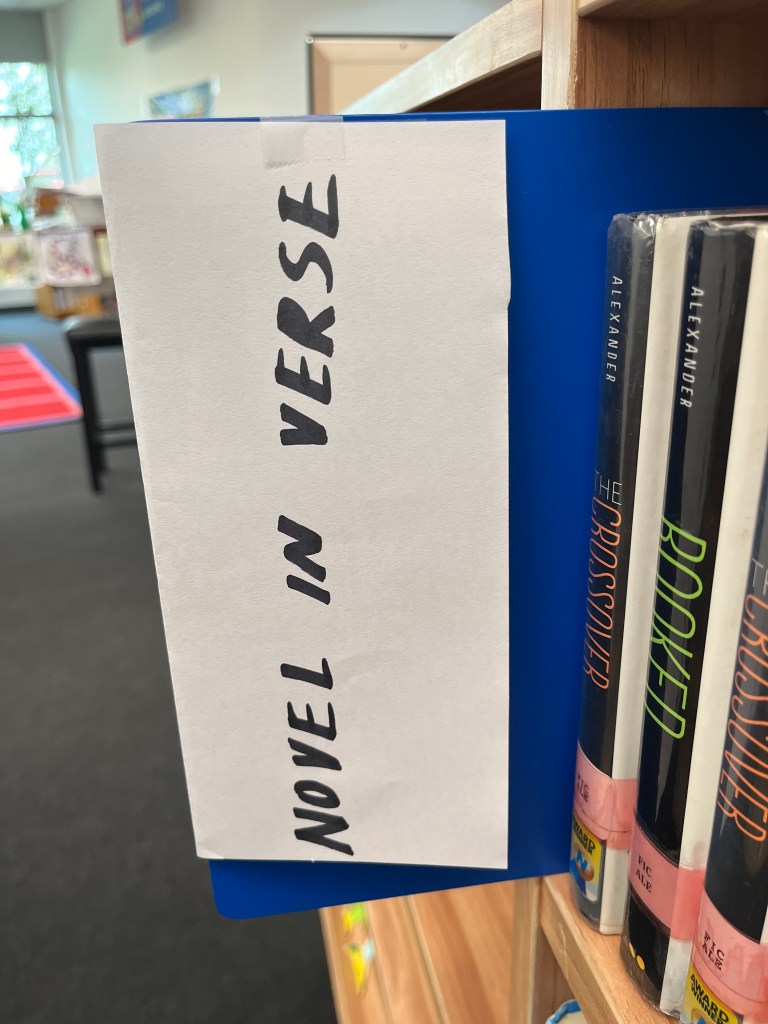
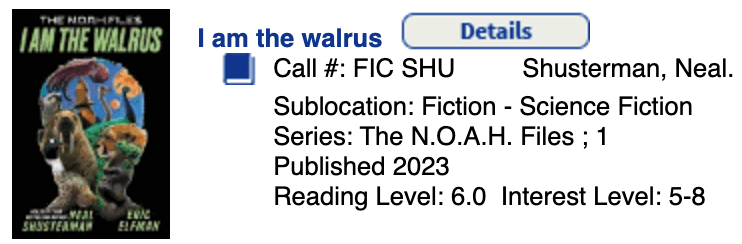
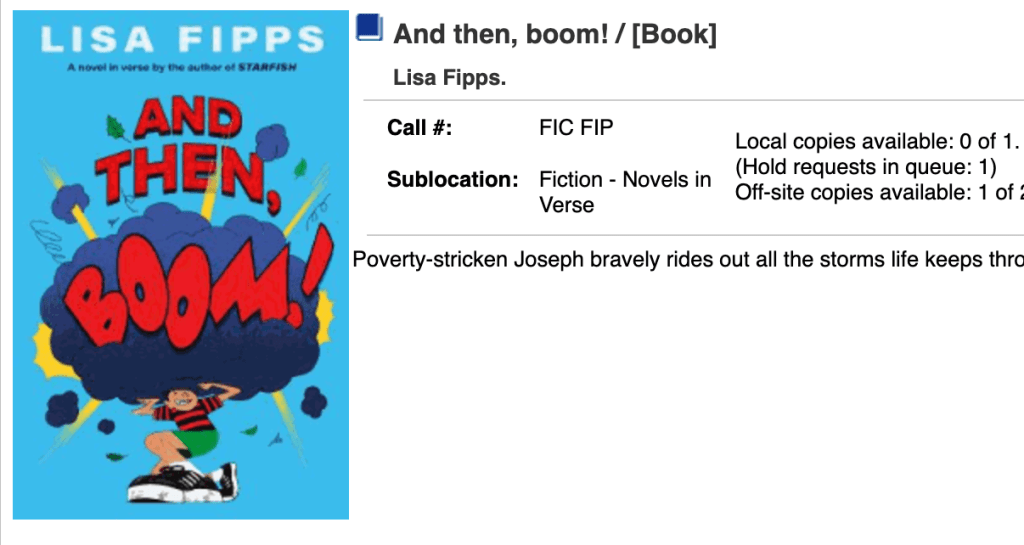
  • Novels in verse is probably the area I’ve second guessed the most; I mean, it’s a hybrid right, of poetry and prose, but it’s not REALLY a genre, I think of it more as a style of writing. All the books withIN novels in verse, HAVE a more dominant genre; Jamie Sumner’s “Deep Water” is realistic fiction, Black Star by Kwame Alexander is historical fiction, Worse Things by Sally Murphy-sports fiction, and on it goes.
  • Oh, and sports fiction, I didn’t include that as a genre; we just didn’t have so many, it’s not something our community read a lot of. We also didn’t include animal fiction, although it’s another section we could have included. When we thought about it, we just always found that those animal fiction books were also more well known in a different genre, often fantasy.
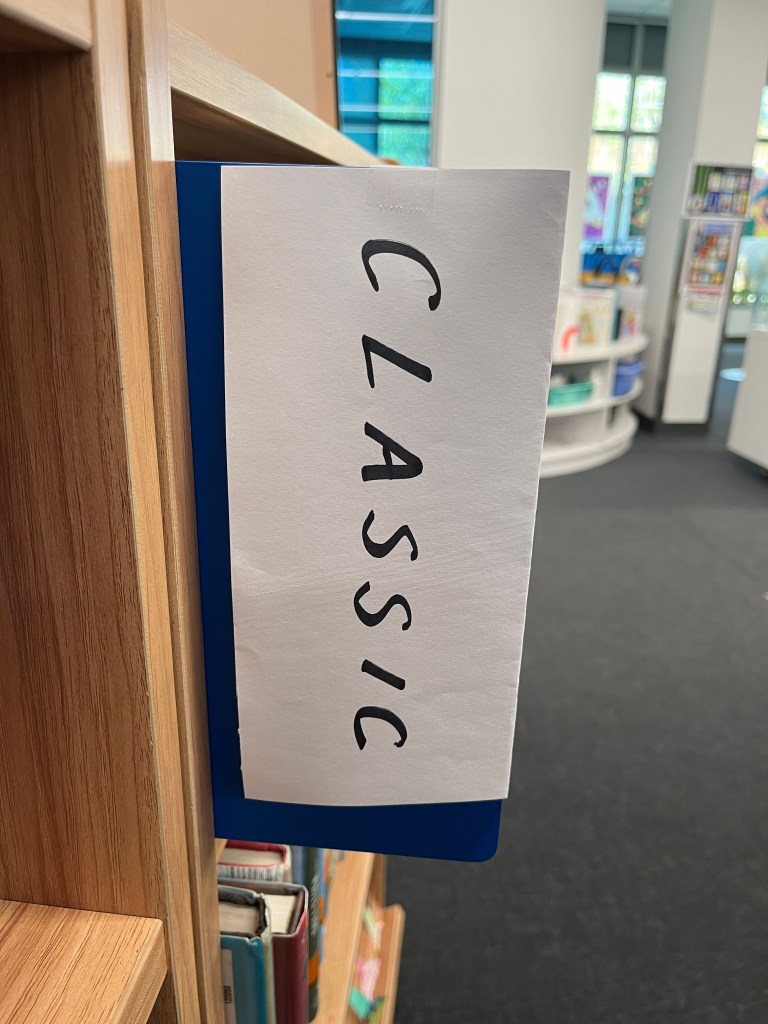
  • Our smallest collections were classics, scary and those novels in verse, which we kept, as it’s true that once students discover novels in verse, they really latch onto that format, enough that ultimately, we’re keeping them for now.

So. Next step. Signage. We’re experimenting with styles, fonts, colours, locations and all that fun stuff. We’d replaced our fiction signs fairly recently, they have the letters of the alphabet on them. However I’m happy to say we can repurpose these by simply turning the signs around, a win.

We’ll also be showing our students have to search the catalog using sub locations.

For now, boy oh boy it’s hard to find the books!!!